

Sprite will not contain caffeine, but it contains a large amount of sugar. Consuming large quantities of sugar on a regular basis might trigger weight gain along with other health issues.
Caffeine used in moderation is harmless for most individuals, although it may create undesirable side effects such as jitters and anxiety. Individuals who desire to avoid caffeine might try normal water or herbal tea instead.
Caffeine
Sprite is really a carbonated lemon-lime soda which has grown in popularity around the world. It's popular for its crisp, clear flavor and refreshing bubbles. It does not include caffeine, but it is packed with sugar and artificial sweeteners. Sprite should be used in moderation as part of a balanced diet.
Many people wonder whether Sprite contains caffeine, and the solution is no. However, the drink includes a large amount of sugar and salt. is there caffeine in sprite -ounce can of Sprite has 140 calories and 38 grams of carbs, nearly all which are sugar. Sugar consumption may cause a variety of health problems, including weight gain and tooth damage. It could also produce a blood sugar increase and sensations of jitteriness and anxiety.
Caffeine is really a naturally occurring stimulant within coffee, tea, energy beverages, and certain soft drinks. It acts by inhibiting the event of adenosine, a neurotransmitter that promotes sleep. Although moderate caffeine use is normally regarded healthy for most individuals, excessive consumption could be bad for one's health. Caffeine may improve the pulse rate, create migraines, and disrupt sleep.
Sprite contains citric acid, high fructose corn syrup, natural flavors, and sodium benzoate (to preserve the taste) but none of the very best eight allergens. If you prefer a caffeine-free option to ordinary soda, consider Sprite Zero or Sprite Caffeine-Free.
Sugar
Sprite, unlike coffee, is created from carbonated water, high fructose corn syrup, citric acid, natural lemon and lime flavors, sodium citrate, and sodium benzoate (to preserve the flavor). There is no caffeine in these components. However, the drink contains additional stimulants, such as artificial sweeteners, which may add a trace of caffeine. If you want to avoid caffeine, get one of these different lemon-lime drink, or choose zero sugar or caffeinated variants.
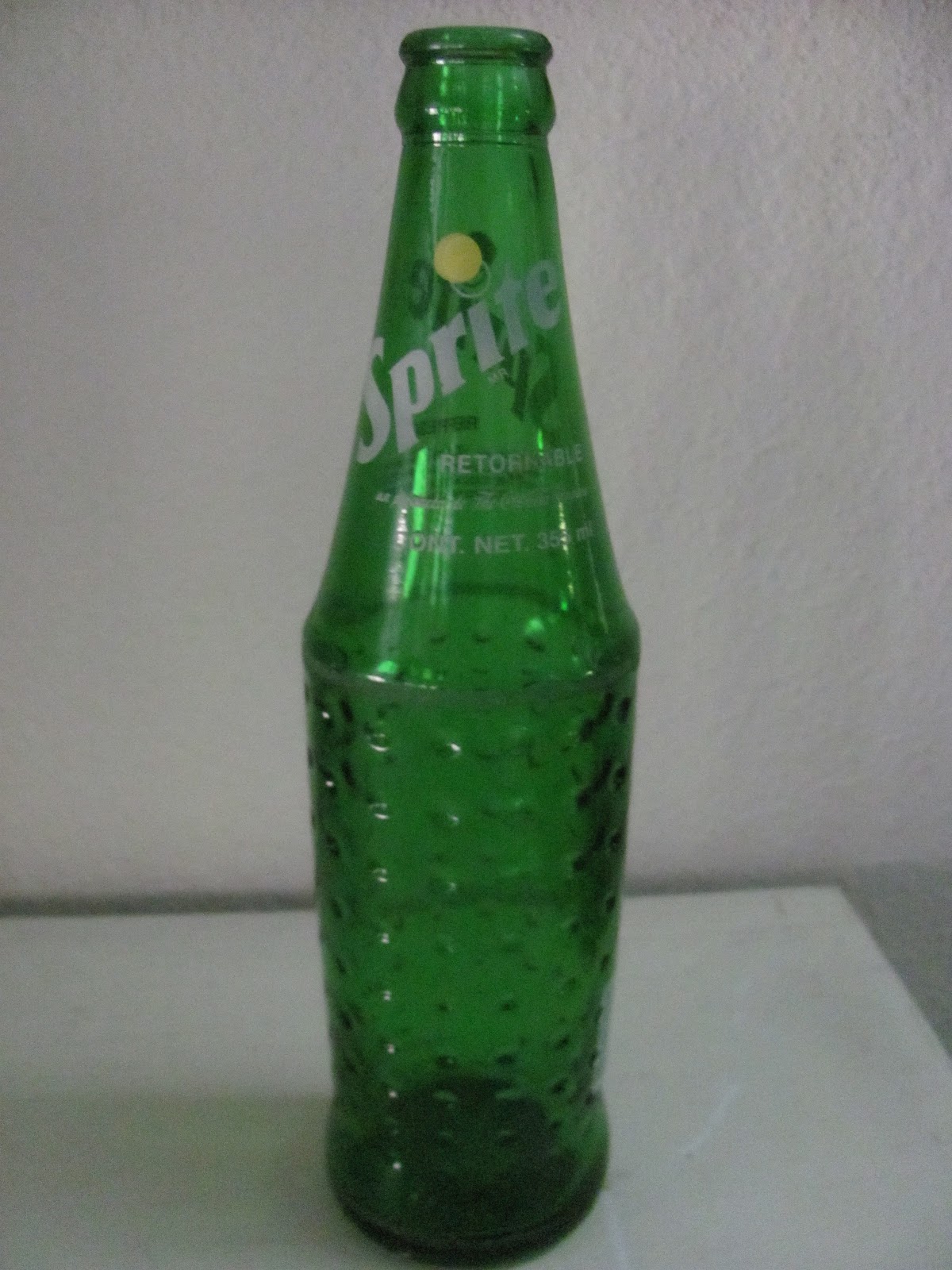
It is crucial to drink all beverages in moderation, whether you like a can of Sprite or another variety of lemon-lime soda. An excessive amount of soft drink consumption can lead to obesity and other health concerns, including diabetes. Furthermore, eating an excessive amount of sugar might impair your mental and physical function.
Caffeine is really a naturally occurring stimulant within coffee, tea, soda, and energy drinks. It might offer a momentary upsurge in energy, but it may also cause restlessness, irritation, and difficulties sleeping. Those with sensitive stomachs may struggle to handle significant degrees of caffeine, so that they should restrict their intake or seek alternatives.

is there caffeine in sprite is free from the most notable eight allergies, which include milk, eggs, fish, crustacean shellfish, peanuts, wheat, tree nuts, and soybeans. However, the beverage might be made at a facility that also processes substances containing these allergies.
Calories
Sprite, a carbonated soft drink, was appeared in 1961. It really is well-known for its lemon-lime taste and contains turn into a popular beverage all over the world. Sprite does not contain caffeine, however it does include a lot of sugar and salt. When ingested in excess, both of these chemicals may be hazardous to your wellbeing.
Caffeine is a natural stimulant that may enhance energy levels and increase attention. It could, however, induce undesirable unwanted effects in certain individuals, such as nervousness and anxiety. Caffeine-containing beverages should be avoided if you are sensitive in their mind or have other reasons in order to avoid them.
The good news is that both original Sprite and the caffeine-free variant are caffeine-free. This makes them an excellent choice for all those seeking a refreshing beverage without the stimulating ramifications of caffeine. Both forms of the beverage, however, include sugar and should be eaten in moderation within a balanced diet.
Sprite contains carbonated water, high fructose corn syrup, citric acid, and natural flavors. To retain the flavor of the soda, the drink also includes sodium citrate and sodium benzoate. Because the level of sugar in the beverage can lead to weight gain and tooth damage, it is vital to restrict your usage of this substance. Sprite is also manufactured in facilities that process other food items, thus allergies could be cross-contaminated.
Alternatives
While Sprite is caffeine-free, other sugary sodas and energy drinks are. Caffeine, besides delivering a short-term energy boost, could also produce headaches, irritation, and difficulty focusing. Due to this fact, you should drink coffee, tea, along with other caffeinated drinks in moderation.
Try seltzer water, club soda, unsweetened tea, or low-sugar fruit juice as healthier alternatives to Sprite. These choices are healthier for your teeth and can keep you hydrated. There is also more nutrients than Sprite and can not interfere with your ability to sleep well.
Another disadvantage of drinking Sprite may be the massive amount added sugar. Excess sugar consumption may lead to obesity and chronic illnesses such as for example diabetes and heart disease. Furthermore, the excess sugar in Sprite might crowd out other nutrient-dense meals and beverages in what you eat.
Although Sprite will not contain caffeine, it can include numerous components that may stimulate your body, including as carbonated water, high fructose corn syrup, citric acid, and natural flavors. In addition, it includes a trace of sodium benzoate, which serves as a preservative. Furthermore, the standard form of Sprite includes trace degrees of calcium disodium EDTA and brominated vegetable oil, both which may stimulate certain individuals.